


Most people suffering from chronic spinal discomfort believe their only choices are lifetime dependency on painkillers or a risky surgical intervention. The reality is that an effective, non-invasive neck and back pain treatment must address the spine not as an isolated column of bone, but as a dynamic pathway connected to your entire nervous system. In our clinical experience across Gujarat, particularly with patients in busy urban centers like Ahmedabad and Surat, we find that lasting relief comes when we stop chasing the symptom and start restoring the body’s self-regulating mechanisms.
We see hundreds of desk-bound professionals and aging individuals who have spent years on traction tables or popping anti-inflammatory drugs, only to find their discomfort returning the moment they stop. This cycle happens because conventional approaches often treat the spine as a purely mechanical structure. By integrating micro-system therapies like Sujok with traditional meridian science, we can stimulate the body’s natural healing processes without resorting to invasive measures.
The Reality of Spinal Wear and Tear in Gujarat’s Modern Workforce
In the bustling commercial hubs of Gujarat, from the textile markets of Surat to the corporate offices of Ahmedabad, spinal health is deteriorating at an alarming rate. Long hours at a desk, prolonged driving on uneven roads, and the high-stress environment of modern commerce combine to create a perfect storm for the musculoskeletal system. When you sit for eight to ten hours a day, the lumbar spine bears up to 180 percent of the pressure it experiences while standing. This constant compression starves the intervertebral discs of essential nutrients and moisture, leading to premature degeneration.
Over time, this mechanical strain translates into chronic muscle spasms, tension headaches, and radiating nerve pain. Most patients we consult at Sujok Gujarat have already tried standard physical therapy or chiropractic adjustments. While these methods offer temporary relief, they frequently fail to resolve the deeper, systemic imbalances that cause the muscles to tighten up again in the first place. To understand how systemic imbalances manifest physically, explore our guide on Sujok therapy for chronic pain, which outlines how micro-correspondence points map to major muscle groups.
Is spinal surgery always the final answer?
Many patients come to us in a state of panic because an MRI scan revealed a bulging disc and a surgeon recommended immediate intervention. It is vital to understand that structural abnormalities on an MRI do not always correlate directly with pain. Numerous clinical studies show that a significant percentage of pain-free individuals have herniated or degenerated discs. Surgery should be a last resort, reserved for cases with progressive neurological deficits, such as loss of bowel control or severe muscle wasting. For the vast majority of chronic sufferers, conservative, non-invasive therapies can successfully manage pain and facilitate natural disc resorption over time.
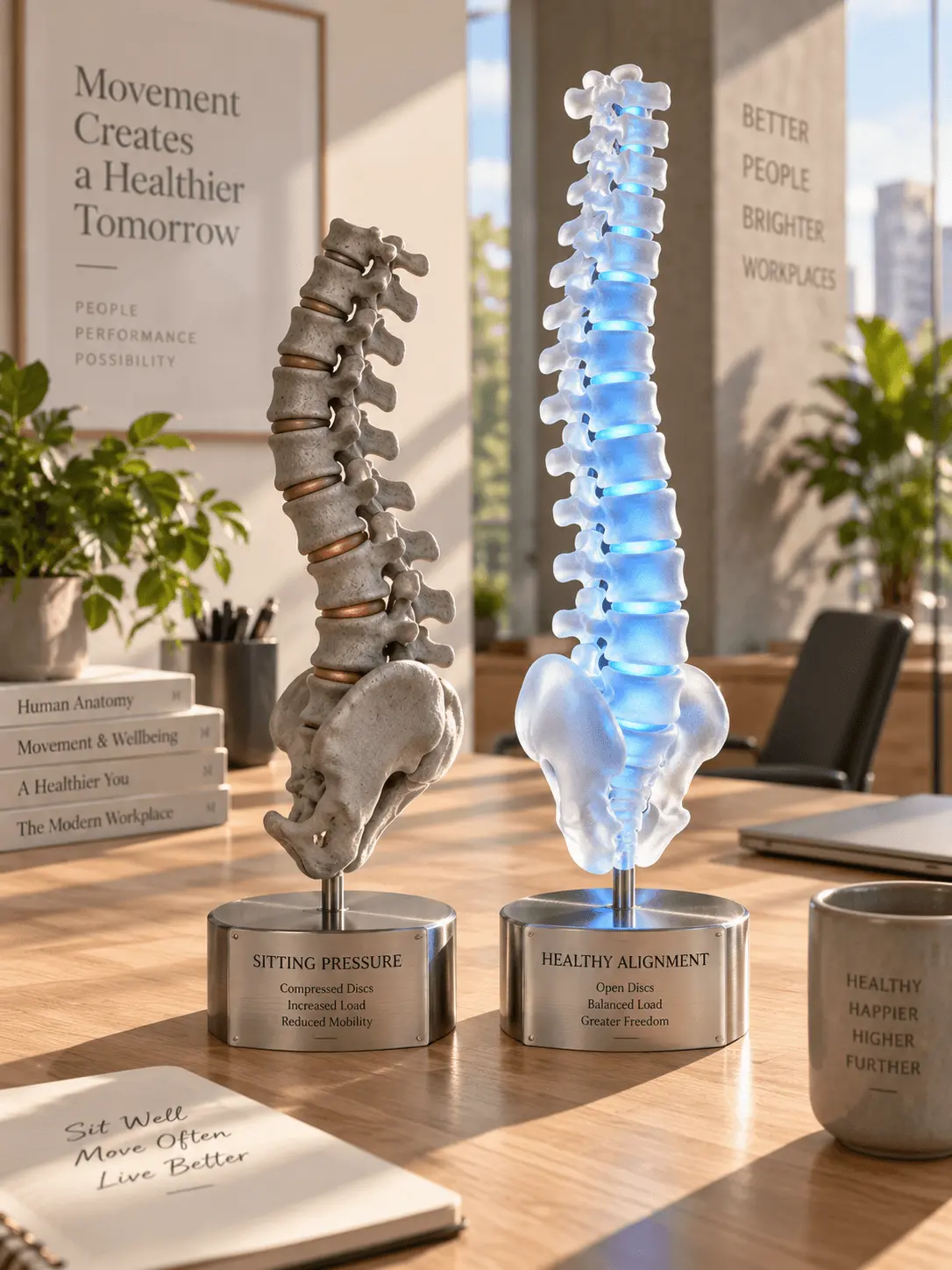
Rethinking neck and back pain treatment through Sujok and Complementary Therapies
To achieve lasting recovery, we must shift our focus from the local site of pain to the corresponding energy pathways of the body. In Sujok therapy, developed by Professor Park Jae Woo, the hands and feet serve as highly active control panels for the entire organism. The spine has a direct, highly precise correspondence zone along the dorsal aspect of the thumb and the middle of the hand. By applying stimulation to these specific points, we can transmit therapeutic signals to the affected cervical or lumbar vertebrae.
This stimulation is performed using diagnostic probes, micro-magnets, natural seeds, and color therapy. When a practitioner applies pressure to a painful correspondence point on the hand, it triggers a reflex action that dilates blood vessels, reduces muscle tension, and accelerates cellular repair in the corresponding part of the spine. This method is completely safe, free from side effects, and can be easily integrated with other natural healing modalities. To see how this fits into our broader treatment philosophies, read about our non-invasive pain management systems, where we combine multiple alternative disciplines for rapid recovery.
Can micro-system stimulation really affect deep spinal muscles?
It sounds implausible to those trained purely in Western anatomical models that pressing a point on the hand can relieve a spasm in the lower back. However, the nervous system is a highly integrated network. Micro-system therapies work by utilizing the body’s bio-holographic properties. Just as a modern computer can be controlled through a remote keyboard, the central nervous system can be modulated by stimulating distal nerve endings in the extremities. This stimulation prompts the brain to release endorphins, the body’s natural painkillers, and regulates the autonomic nervous system to reduce the chronic fight-or-flight response that keeps spinal muscles locked in spasm.
The Physical and Psychosomatic Axis of Chronic Spinal Pain
One of the most significant oversights in standard clinical settings is the failure to recognize the emotional and psychological components of spinal distress. The neck and upper back are primary storage depots for emotional stress, anxiety, and unexpressed frustration. When you experience chronic stress, your body maintains a state of micro-contraction in the trapezius and levator scapulae muscles. This continuous muscular tension restricts local blood flow, leading to an accumulation of lactic acid and inflammatory markers.
In Gujarat, where family and business responsibilities often place immense pressure on individuals, we frequently observe that back pain flares up during periods of financial stress or domestic transition. A truly natural healing process must address this psychosomatic link. Through energy balancing techniques, we help patients release these deeply held emotional patterns, allowing the physical spine to relax and align naturally.
The spine is not just a column of bone: it is the physical manifestation of our support system, carrying both our physical weight and our emotional burdens.
Why does emotional stress settle in the cervical spine?
The cervical spine is highly sensitive to stress because of its close proximity to the stellate ganglion, a major hub of the sympathetic nervous system. When stress triggers a sympathetic dominant state, the muscles protecting the neck automatically tighten to shield the vital structures of the throat and head (a primitive defense reflex). If this stress is chronic, the muscles never fully relax, leading to joint stiffness, restricted range of motion, and eventual disc wear. Recognizing this connection is the first step toward true, lasting recovery.
Writing Style Implications: Our Clinical Communication Philosophy
At Sujok Gujarat, our approach to patient communication is as deliberate as our therapeutic protocols. We believe that clinical advice should be direct, transparent, and entirely free from superficial marketing jargon. This philosophy is reflected in our visual and editorial design system. We utilize a primary clinical blue color (#205583) to represent safety, professional authority, and trust, balanced with a clean, uncluttered canvas (#fff) that mirrors our focus on simplicity and natural healing.
We do not believe in making grand, unsubstantiated claims or using overly complex medical terminology to mystify the healing process. Our goal is to empower patients with clear, actionable knowledge. By presenting our clinical insights in an accessible, peer-to-peer conversational format, we foster an environment of mutual trust and shared responsibility in the journey toward wellness.
Practical Self-Care Steps for Spinal Maintenance
While professional therapeutic intervention is crucial for chronic conditions, daily self-care habits form the foundation of long-term spinal health. You cannot expect a one-hour treatment session to completely undo the damage of twenty-three hours of poor posture and movement patterns. Simple, daily adjustments can significantly accelerate your recovery process.
First, implement the twenty-minute rule: never sit continuously for more than twenty minutes without standing up, stretching, or walking for at least sixty seconds. This simple habit rehydrates the spinal discs and prevents static muscle fatigue. Second, pay close attention to your sleeping posture. If you sleep on your back, place a small pillow under your knees to maintain the natural curve of your lower back. If you are a side sleeper, place a pillow between your knees to keep your pelvis and spine aligned. For customized advice on daily movement protocols and posture correction, you can consult our specialists by visiting our Sujok Gujarat contact page to book a personalized assessment.
Is daily stretching safe for a herniated disc?
Not all stretches are created equal, and some can worsen a disc herniation. For instance, forward bending exercises (like touching your toes) place immense pressure on the anterior portion of the spinal discs, pushing the bulging nucleus pulposus further backward onto the sensitive spinal nerves. If you have a confirmed herniated disc, focus on gentle extension exercises, such as the sphinx pose, and isometric core stabilization exercises. Always consult a qualified practitioner before starting any new exercise routine to ensure it matches your specific spinal pathology.

Take the First Step Toward Natural Spinal Recovery
Living with chronic pain is exhausting, but you do not have to accept it as a permanent part of your life. By choosing a comprehensive, non-invasive neck and back pain treatment, you address the root causes of your discomfort and support your body’s innate ability to heal. At Sujok Gujarat, we are dedicated to helping you reclaim your mobility and vitality without relying on heavy medication or undergoing risky surgeries. Let us help you restore balance to your spine and your life.
Ready to experience holistic healing? Book a personalized assessment with our clinical specialists today and begin your path to pain-free living.
Frequently asked questions
How many sessions of Sujok therapy are needed to see results?
The number of sessions varies depending on the severity and duration of your spinal condition. While some patients experience significant relief within two to three sessions, chronic issues of several years’ standing may require a structured course of ten to fifteen sessions to achieve stable, long-term results.
Is Sujok therapy painful for acute back pain?
Sujok therapy is non-invasive and generally very comfortable. When locating active correspondence points on the hands or feet, you may feel a sharp, localized sensation when pressure is applied to a highly congested point. This sensation is brief and indicates that the correct therapeutic point has been identified for stimulation.
Can I combine holistic treatments with my current medical prescriptions?
Yes, alternative therapies can safely run alongside conventional medical treatments. Because Sujok and other natural therapies do not involve pharmacological drugs, there is no risk of negative drug interactions. We always advise working closely with your healthcare providers to monitor your progress.
Are seed and magnet therapies safe for elderly patients?
Absolutely. Seed and magnet therapies are exceptionally gentle and completely non-invasive, making them ideal for elderly individuals who may not tolerate stronger physical manipulations or medications. These therapies work by applying natural, subtle energies to stimulate the body’s self-healing mechanisms safely.
What daily habits cause the most damage to the cervical spine?
The most damaging daily habit is forward head posture, commonly caused by looking down at a mobile phone or laptop screen for hours on end. This posture dramatically increases the effective weight of your head on your cervical spine, causing severe muscle strain, ligament wear, and eventual disc degeneration over time.